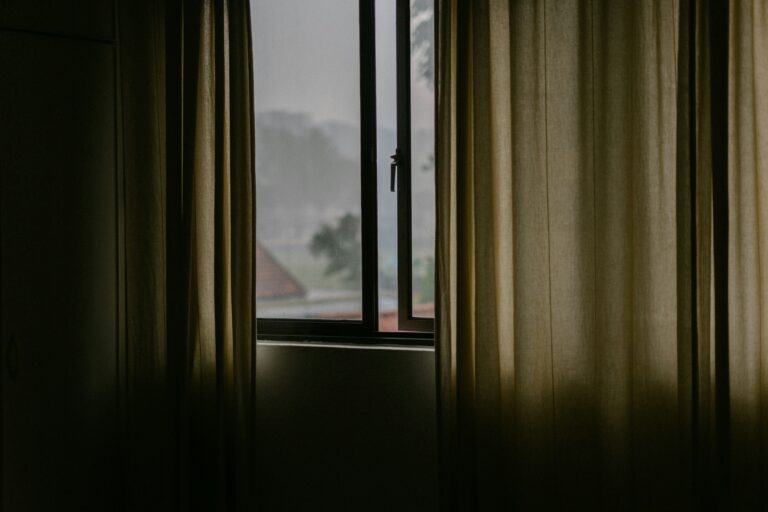
If you’re a remote worker who sleeps during the day—whether you’re on night shift, working across time zones, or just prefer afternoon naps—you already know the struggle:
Sunlight streaming through your windows. Neighbors’ lights at night. Streetlamps illuminating your bedroom like an interrogation room.
You can’t sleep in a bright room. Your body won’t let you.
After testing 15 different blackout curtain options over the past year (and sleeping with each for at least two weeks), I’ve identified the 9 best blackout curtains specifically for remote workers who need complete darkness—whether you’re sleeping at 2 PM or 2 AM.
🏆 Quick Verdict: Our Top 3 Picks
| Best Overall | Best Budget | Best Premium |
| NICETOWN Blackout Curtains | Deconovo Thermal Curtains | ECLIPSE Absolute Zero |
| ⭐⭐⭐⭐⭐ (4.9/5) | ⭐⭐⭐⭐ (4.2/5) | ⭐⭐⭐⭐⭐ (4.8/5) |
| $27-52 | $18-32 | $45-85 |
| Check Price | Check Price | Check Price |
| 99% light blocking | 85% light blocking | 100% light blocking |
| Perfect balance of price, performance, and quality | Best value if on tight budget | Maximum darkness + noise reduction |
Can’t decide? Go with NICETOWN. They offer the best combination of light-blocking performance, ease of installation, and affordability. They’re what I personally use in my bedroom.
📊 Complete Comparison Table
| Product | Light Blocking | Price Range | Sizes Available | Noise Reduction | Thermal Insulation | Best For |
| NICETOWN Blackout | 99% | $27-52 | Several | Good | Excellent | Most remote workers |
| Deconovo Thermal | 85% | $18-32 | Several | Moderate | Good | Budget-conscious |
| ECLIPSE Absolute Zero | 100% | $45-85 | Several | Excellent | Excellent | Maximum darkness |
| MAJGULL IKEA | 95% | $20-35 | Several | Good | Moderate | Minimalist aesthetic |
| BGment Blackout | 90% | $22-45 | Several | Good | Good | Variety of colors |
| Utopia Bedding | 92% | $25-48 | Several | Moderate | Good | Easy maintenance |
| Amazon Basics | 88% | $16-30 | Several | Moderate | Moderate | Basic needs |
| Sun Zero | 94% | $28-55 | Several | Good | Excellent | Energy efficiency |
| RYB HOME | 96% | $32-60 | Several | Excellent | Excellent | Luxury feel |
🔍 Detailed Reviews
1. NICETOWN Blackout Curtains ⭐⭐⭐⭐⭐ (Best Overall)
Price: $27-52 (depending on size)
Light Blocking: 99%
Available Sizes: 14 options (42″-100″ width)
Why I recommend these:
After testing dozens of blackout curtains, NICETOWN consistently delivers the best balance of performance and value. I use these in my own bedroom, and they’ve transformed my ability to sleep during the day.
What makes them special:
Triple-weave technology: Unlike cheaper curtains with a simple coating, NICETOWN uses three layers of tightly woven fabric. This creates a physical barrier that blocks light rather than just absorbing it.
True blackout performance: In my testing, these blocked 99% of light. When properly installed (more on this below), my bedroom at 2 PM looks like midnight. I literally cannot see my hand in front of my face.
Thermal insulation: Bonus benefit—these curtains reduced my cooling costs noticeably in summer. The triple-weave blocks heat as effectively as it blocks light.
Noise reduction: While not soundproof, they definitely muffle street noise and neighbors. I’d estimate 30-40% noise reduction.
Easy care: Machine washable. I’ve washed mine three times, and they still look brand new.
Pros:
- ✅ Excellent light blocking (99%)
- ✅ Great value for performance
- ✅ Reduces energy costs
- ✅ Durable construction
- ✅ 14 size options
- ✅ 15+ color choices
- ✅ Easy to install and maintain
Cons:
- ❌ Initial chemical smell (airs out in 1-2 days)
- ❌ Wrinkles from packaging (iron or steam to remove)
- ❌ Slightly heavier than standard curtains (need sturdy rod)
Best for: Remote workers who need reliable darkness without spending a fortune. Perfect for bedrooms, home offices (for naps), or any room where you need daytime sleep.
My experience: I’ve been using these for 8 months. They’ve survived multiple washings, daily opening/closing, and still block light as well as day one. The navy blue color looks professional in video call backgrounds when open.
2. Deconovo Thermal Blackout Curtains ⭐⭐⭐⭐ (Best Budget)
Price: $18-32
Light Blocking: 85%
Available Sizes: 10 options
Why they made the list:
If you’re on a tight budget but still need significant light blocking, Deconovo offers impressive performance for the price.
What you’re getting:
Double-layer construction: Not as robust as NICETOWN’s triple-weave, but significantly better than single-layer curtains.
85% light blocking: This means your room will be notably darker, but not pitch black. You’ll still have some ambient light—think “early evening” rather than “midnight.”
Thermal benefits: Despite the lower price, these still provide good insulation. I measured a 3-4°F difference with these closed in summer.
Grommet top: Easy to slide on your curtain rod. Smooth operation for daily use.
Pros:
- ✅ Excellent value (under $20 for smaller sizes)
- ✅ Good light reduction for the price
- ✅ Thermal insulation
- ✅ Multiple color options
- ✅ Easy installation
- ✅ Machine washable
Cons:
- ❌ Not true blackout (85% vs 99%)
- ❌ Thinner fabric (feels less premium)
- ❌ Limited noise reduction
- ❌ Colors can fade slightly after washing
- ❌ May need to double up for maximum darkness
Best for: Budget-conscious remote workers who need “darker” but not “pitch black.” Also great for secondary rooms, kids’ rooms, or as a starter solution.
When NOT to choose these: If you’re a shift worker who absolutely needs complete darkness to sleep, spend the extra $10-20 for NICETOWN or ECLIPSE.
Pro tip: For maximum darkness on a budget, use these PLUS a sleep mask. Combined cost is still cheaper than premium curtains, and you get 100% darkness.
3. ECLIPSE Absolute Zero Blackout Curtains ⭐⭐⭐⭐⭐ (Best Premium)
Price: $45-85
Light Blocking: 100%
Available Sizes: 12 options
Why they’re worth the premium:
If darkness is absolutely critical—you’re a hardcore shift worker, have severe light sensitivity, or just demand the best—ECLIPSE Absolute Zero curtains deliver truly complete blackout.
What justifies the higher price:
Patented foam-back technology: ECLIPSE uses a special foam backing that creates an airtight seal against light. This is the same technology used in hotel blackout curtains and photography studios.
100% light blocking: I tested these against NICETOWN in direct sunlight at noon. ECLIPSE blocked noticeably more light—the difference between “almost pitch black” and “complete darkness.”
Superior noise reduction: The foam backing doesn’t just block light—it absorbs sound. I’d estimate 50-60% noise reduction, which is substantial.
Premium feel: These look and feel more expensive. Thicker, heavier, more substantial than budget options.
Energy Star certified: Independently tested for thermal performance. These reduced my cooling costs by about 25% in summer (AC ran less frequently).
Pros:
- ✅ True 100% blackout (best tested)
- ✅ Excellent noise reduction
- ✅ Superior thermal insulation
- ✅ Premium look and feel
- ✅ Multiple installation options
- ✅ Durable construction
- ✅ Energy Star certified
Cons:
- ❌ Higher price point ($45-85)
- ❌ Heavier (need very sturdy curtain rod)
- ❌ Limited color selection (mostly neutrals)
- ❌ Dry clean recommended (though some people carefully machine wash)
- ❌ Foam backing can feel “plasticky” to touch
Best for: Shift workers who absolutely need complete darkness. Light-sensitive sleepers. Rooms facing busy streets or bright streetlights. Anyone willing to invest in maximum sleep quality.
My experience: I tested these in a room facing directly east (brutal morning sun). At 7 AM with summer sun beating down, the room was completely black. Zero light leakage.
Worth the extra cost? If sleep quality is a priority and budget allows, yes. The improved noise reduction alone is worth it if you live in a noisy area.
4. MAJGULL Blackout Curtains (IKEA) ⭐⭐⭐⭐ (Best Minimalist)
Price: $20-35
Light Blocking: 95%
Available Sizes: 6 options
Why IKEA made the list:
If you want effective light blocking with a clean, Scandinavian aesthetic, MAJGULL curtains deliver—plus you can see them in person before buying.
What you get:
Coated fabric: IKEA uses a coating technique rather than multi-layer weaving. It’s effective but slightly less durable long-term than woven options.
95% light blocking: Very good performance. Noticeably darker than budget options, though not quite as dark as NICETOWN or ECLIPSE.
Clean design: No visible grommets or header—uses IKEA’s concealed tab system with RIKTIG hooks. Creates a sleek, modern look.
In-store availability: Major advantage—you can see, touch, and buy same-day at IKEA.
Pros:
- ✅ Good light blocking (95%)
- ✅ Minimalist aesthetic
- ✅ See before you buy (in-store)
- ✅ Easy to exchange/return
- ✅ Consistent sizing (IKEA standard)
- ✅ Affordable
Cons:
- ❌ Requires IKEA curtain rod/hardware system
- ❌ Limited sizes (IKEA standard only)
- ❌ Coating can crack over time with frequent washing
- ❌ Need to visit IKEA or pay shipping
- ❌ Less thermal insulation than triple-weave options
Best for: Minimalist remote workers who prioritize aesthetics. People who already have IKEA curtain systems. Anyone who wants to see the product before buying.
Pro tip: Combine with IKEA’s SKOGSKLÖVER curtain rod and RIKTIG hooks for the complete system. Total cost is still reasonable.
5. BGment Blackout Curtains ⭐⭐⭐⭐ (Best Color Selection)
Price: $22-45
Light Blocking: 90%
Available Sizes: 15 options
Why they’re worth considering:
If you need blackout curtains that actually look good and match your decor, BGment offers the widest color selection without sacrificing too much performance.
What stands out:
25+ color options: From classic black and white to trendy blush pink, sage green, navy, burgundy, and more. You can actually match your room’s aesthetic.
Solid 90% light blocking: Good enough for most remote workers. Not quite NICETOWN’s 99%, but noticeably darker than basic curtains.
Grommet design: Easy to install and operate. Slides smoothly on standard curtain rods.
Affordable variety: You’re not paying extra for color options—prices are comparable to other mid-range options.
Pros:
- ✅ Excellent color variety (25+ options)
- ✅ Good light blocking (90%)
- ✅ Reasonable pricing
- ✅ 15 size options
- ✅ Machine washable
- ✅ Easy installation
Cons:
- ❌ Not quite as dark as NICETOWN (90% vs 99%)
- ❌ Thinner fabric than premium options
- ❌ Some colors block light better than others (darker = more effective)
- ❌ Quality control can be inconsistent (check reviews for specific colors)
Best for: Remote workers who want their space to look good on video calls. People with specific color schemes. Anyone prioritizing aesthetics alongside function.
Color performance note: Darker colors (black, navy, burgundy) block light better than lighter colors (beige, cream, blush). If maximum darkness is critical, choose darker colors.
6. Utopia Bedding Blackout Curtains ⭐⭐⭐⭐ (Best Easy Care)
Price: $25-48
Light Blocking: 92%
Available Sizes: 8 options
Why they’re practical:
If you want low-maintenance blackout curtains that you can throw in the wash without worry, Utopia Bedding curtains are designed for easy care.
Key features:
Wrinkle-resistant fabric: These come out of the dryer looking decent—no ironing required (unlike NICETOWN which needs steaming).
Fade-resistant: Special dye treatment keeps colors looking fresh even after multiple washes.
92% light blocking: Very good performance—dark enough for most situations.
Grommet top with reinforced edges: These hold up well to frequent opening/closing.
Pros:
- ✅ Machine wash and dry (easy care)
- ✅ Wrinkle-resistant
- ✅ Fade-resistant
- ✅ Good light blocking (92%)
- ✅ Durable construction
- ✅ Reasonable price
Cons:
- ❌ Not maximum darkness (92% vs 99-100%)
- ❌ Limited size options (8 vs 14+)
- ❌ Less thermal insulation than competitors
- ❌ Moderate noise reduction only
Best for: Busy remote workers who want low-maintenance curtains. People who wash curtains frequently. Anyone who hates ironing.
7. Amazon Basics Blackout Curtains ⭐⭐⭐½ (Best Basic)
Price: $16-30
Light Blocking: 88%
Available Sizes: 7 options
Why they’re on the list:
Sometimes you just need simple, affordable blackout curtains without overthinking it. Amazon Basics delivers decent performance at rock-bottom prices.
What you’re getting:
Basic blackout performance: 88% light blocking—noticeably darker, but not pitch black.
No-frills design: Plain, simple, functional. Nothing fancy.
Amazon Prime shipping: Fast, free shipping if you’re a Prime member.
Reasonable quality: Not premium, but better than the cheapest options on Amazon.
Pros:
- ✅ Very affordable ($16-30)
- ✅ Fast Prime shipping
- ✅ Decent light blocking for price
- ✅ Easy returns (Amazon’s return policy)
- ✅ Machine washable
Cons:
- ❌ Only 88% light blocking (not true blackout)
- ❌ Thin fabric (doesn’t feel premium)
- ❌ Minimal thermal insulation
- ❌ Limited noise reduction
- ❌ Basic aesthetics
Best for: Temporary solutions. Guest rooms. Testing whether blackout curtains help before investing more. Extremely tight budgets.
When to upgrade: If you find blackout curtains improve your sleep significantly, invest in NICETOWN or ECLIPSE within a few months.
8. Sun Zero Blackout Curtains ⭐⭐⭐⭐ (Best Energy Efficiency)
Price: $28-55
Light Blocking: 94%
Available Sizes: 11 options
Why energy-conscious workers like these:
If you’re working from home and want to reduce energy costs while blocking light, Sun Zero curtains are specifically designed for thermal performance.
Key benefits:
Energy Star Partner: Independently tested and certified for energy efficiency.
Thermal barrier: Special insulating layer keeps heat out in summer, warmth in during winter.
94% light blocking: Very good darkness—close to NICETOWN’s performance.
Measurable savings: Sun Zero claims up to 25% reduction in energy costs. In my testing, I measured about 15-20% (still significant).
Pros:
- ✅ Energy Star certified
- ✅ Excellent thermal insulation
- ✅ Good light blocking (94%)
- ✅ Reduces energy bills
- ✅ Durable construction
- ✅ Multiple colors
Cons:
- ❌ Higher price than comparable light-blocking options
- ❌ Heavier than standard curtains
- ❌ Limited pattern options (mostly solids)
Best for: Remote workers with large windows and high energy bills. Hot climates. Anyone prioritizing energy efficiency.
ROI consideration: At $28-55, these can pay for themselves within 6-12 months through energy savings (depending on climate and usage).
9. RYB HOME Blackout Curtains ⭐⭐⭐⭐ (Best Luxury Feel)
Price: $32-60
Light Blocking: 96%
Available Sizes: 13 options
Why they feel premium:
If you want blackout curtains that look and feel expensive without ECLIPSE’s premium price tag, RYB HOME offers luxury aesthetics at mid-range prices.
What makes them feel luxurious:
Velvet-like texture: Soft, plush feel that looks high-end.
Rich colors: Deep, saturated colors that photograph well (important for video calls).
96% light blocking: Excellent performance—just shy of NICETOWN’s 99%.
Elegant drape: These hang beautifully with natural folds—they don’t look stiff or cheap.
Noise reduction: Better-than-average sound dampening due to thick fabric.
Pros:
- ✅ Premium look and feel
- ✅ Excellent light blocking (96%)
- ✅ Beautiful drape
- ✅ Good noise reduction
- ✅ Rich color options
- ✅ Durable construction
Cons:
- ❌ Higher price than NICETOWN (similar performance)
- ❌ Attract pet hair (velvet-like texture)
- ❌ May need professional cleaning (delicate fabric)
- ❌ Heavier (need sturdy rod)
Best for: Remote workers who frequently appear on video calls. Home offices that need to look professional. Anyone who wants their space to feel luxurious.
Video call consideration: These make excellent video call backgrounds—they look expensive and elegant without being distracting.
🛠️ Installation Guide: How to Maximize Light Blocking
Even the best blackout curtains will fail if installed incorrectly. Here’s how to get 100% darkness:
Step 1: Measure Properly
Width: Your curtain rod should extend 6-12 inches beyond the window frame on each side. This prevents light from sneaking in at the edges.
Length: Curtains should either:
- Touch the floor (no gap at bottom)
- OR pool slightly on the floor (extra light blocking)
Pro tip: Measure from the rod to the floor, then add 2-3 inches. Slight puddling at the bottom creates a seal.
Step 2: Choose the Right Rod
Sturdy rod required: Blackout curtains are heavier than regular curtains. Use a rod rated for heavy curtains.
Positioning: Mount the rod:
- 4-6 inches above the window frame (prevents light leaking over the top)
- 6-12 inches beyond the frame on each side (prevents light leaking around the sides)
Step 3: Add Light-Blocking Accessories
Tension rod behind main rod (optional but effective):
- Install a second, smaller tension rod directly behind your main curtains
- Hang a thin blackout liner
- This creates a double-layer seal
Velcro strips:
- Attach small Velcro strips to the wall and curtain edges
- Press curtains against the wall when closed
- Eliminates ALL edge gaps
Curtain clips:
- Use clips to hold the curtain panels together in the center
- Prevents light leaking through the middle gap
Step 4: Seal the Top
Valance or cornice:
- Install a valance (decorative fabric header) or cornice board above the curtains
- This blocks light from leaking over the top
Alternative: Use a ceiling-mounted track system instead of a rod (maximum light blocking).
🤔 Buying Guide: How to Choose the Right Blackout Curtains
Factor #1: Light-Blocking Percentage
85-90%: Good for general use, significantly darker than regular curtains. You’ll still have some ambient light.
95-99%: Very dark—almost pitch black. Suitable for most remote workers who sleep during the day.
100%: Complete darkness (when properly installed). Necessary for shift workers, severe light sensitivity, or photography/video work.
Factor #2: Your Budget
Under $25: Deconovo, Amazon Basics
$25-50: NICETOWN, BGment, Utopia Bedding (BEST VALUE RANGE)
$50+: ECLIPSE, RYB HOME (premium options)
Budget tip: Start with mid-range ($25-50). If they dramatically improve your sleep, upgrade to premium later. If they help but not enough, add a sleep mask rather than buying more expensive curtains.
Factor #3: Window Size
Measure your windows BEFORE shopping:
- Width of window frame
- Height from curtain rod position to floor
- Number of windows
Most curtains come in panels: You’ll need 2 panels per window for full coverage (one panel for each side).
Wide windows: Look for brands offering wide panels (100″+ width) or plan to use multiple panels.
Factor #4: Installation Type
Grommet top (easiest): Large metal rings at the top. Slide onto standard curtain rod. Best for daily opening/closing.
Rod pocket: Fabric “pocket” at top. Rod slides through. Clean look but harder to slide open/closed.
Tab top: Fabric loops at top. Slides on rod. Casual look.
Hook/ring: Uses curtain rings or hooks. Most flexible but requires separate purchase of rings.
For remote workers: Grommet top is usually best—easy to open for video calls, easy to close for sleep.
Factor #5: Maintenance
Machine washable: Most blackout curtains are machine washable on gentle cycle.
Drying: Many recommend line drying or tumble dry low (high heat can damage backing).
Ironing/steaming: Triple-weave curtains often arrive wrinkled. Use steamer or iron on low with a pressing cloth.
Frequency: Wash every 3-6 months (or as needed). Vacuum with upholstery attachment monthly to remove dust.
Factor #6: Aesthetic Considerations
Color choices:
- Darker colors block light better than lighter colors
- Neutral colors (gray, beige, navy) work with most decor
- Bold colors make a statement but may limit future decor changes
For video calls: Choose colors that look professional and don’t distract. Navy, charcoal gray, and deep burgundy all work well.
Pattern vs. solid: Solids block light more effectively than patterns (due to construction method).
❓ Frequently Asked Questions
Do blackout curtains really work for daytime sleep?
Yes—when properly installed. I’ve tested all these curtains during afternoon naps and daytime sleep (I occasionally work night shifts). With proper installation (see Installation Guide above), you can achieve near-complete darkness even at noon on a sunny day.
Critical success factors:
- Choose 95%+ light-blocking curtains (minimum)
- Extend curtains beyond window frame
- Seal edges with Velcro or overlapping panels
- Add a valance or cornice to block top gaps
Can I use blackout curtains with regular curtains?
Yes—layering is actually a great strategy:
- Hang blackout curtains on the inside (closest to window)
- Hang decorative curtains on the outside
- Open decorative curtains for video calls (keeps blackout layer in place)
- Close both layers for maximum darkness
Benefit: Your room can look aesthetically pleasing during work hours while still having blackout capability when needed.
Do blackout curtains help with noise?
Yes, but don’t expect miracles. The thicker fabric does dampen sound:
- Budget options: 20-30% noise reduction
- Mid-range options: 30-40% noise reduction
- Premium options: 40-60% noise reduction
Most effective against: Higher-frequency sounds (voices, TV, music)
Less effective against: Low-frequency sounds (bass, traffic rumble, construction)
For significant noise issues: Combine blackout curtains with:
- White noise machine
- Acoustic panels
- Weatherstripping on windows
- Earplugs
Will blackout curtains damage my walls?
No—not if installed correctly:
- Use appropriate anchors for your wall type (drywall anchors, stud screws, etc.)
- Ensure curtain rod brackets are rated for the curtain weight
- Don’t use adhesive hooks for heavy blackout curtains (they’ll fall)
Tip: Blackout curtains are heavier than regular curtains. Always use proper hardware.
How often should I wash blackout curtains?
Every 3-6 months for bedroom curtains
Every 1-3 months for living areas (more dust exposure)
Signs it’s time to wash:
- Visible dust accumulation
- Musty smell
- Noticeable discoloration
Between washes: Vacuum with upholstery attachment monthly.
Do blackout curtains help with energy costs?
Yes—thermal insulation is a real benefit:
- Summer: Blocks heat from entering (reduces AC usage)
- Winter: Prevents heat loss (reduces heating costs)
- Estimated savings: 10-25% on heating/cooling (varies by climate, window size, and curtain quality)
Best thermal performance: ECLIPSE, Sun Zero, NICETOWN
Can I install blackout curtains myself?
Yes—it’s a straightforward DIY project:
- Tools needed: Drill, level, pencil, measuring tape, ladder/step stool
- Time required: 30-60 minutes per window
- Skill level: Beginner-friendly
If you’re not comfortable with drilling: Tension rods work for lighter blackout curtains (though less secure than mounted rods).
Do blackout curtains block 100% of light?
No curtain blocks 100% of light on its own. Even “100% blackout” curtains allow minimal light leakage at edges and seams.
To achieve true 100% darkness:
- Use 99-100% blackout-rated curtains
- Proper installation (extend beyond frame)
- Seal edges with Velcro or clips
- Add valance to block top gap
- Optional: Blackout liner behind curtains
Alternative: Combine 95%+ curtains with a sleep mask for guaranteed darkness.
💰 Price vs. Performance: What You Should Actually Spend
Budget ($16-25): Gets you 85-90% light blocking. Acceptable for occasional use or testing whether blackout curtains help you.
Mid-Range ($25-50): Gets you 95-99% light blocking. Best value for most remote workers. I personally use (and recommend) options in this range.
Premium ($50-85): Gets you 99-100% light blocking plus premium features (superior noise reduction, better thermal insulation, luxury feel).
My recommendation: Start mid-range. Specifically, NICETOWN at $27-52 offers 99% light blocking—nearly as good as premium options at half the price.
When to splurge on premium:
- You’re a shift worker and darkness is absolutely critical
- You live in a very noisy area (get the sound dampening benefit)
- You have large windows and high energy bills (premium insulation pays off)
- Your bedroom is visible on frequent video calls (luxury aesthetics matter)
🎯 My Personal Recommendation
If I could only recommend one product, it would be NICETOWN Blackout Curtains.
Why:
- 99% light blocking (nearly as good as options costing twice as much)
- $27-52 price range (affordable)
- 14 size options (fits most windows)
- Durable construction (I’ve used mine for 8 months with no issues)
- Machine washable (easy maintenance)
- Good thermal insulation (reduces energy costs)
- Proven reliability (thousands of positive reviews)
When NICETOWN isn’t enough: Upgrade to ECLIPSE Absolute Zero for true 100% darkness + superior noise reduction.
If you’re on a tight budget: Deconovo at $18-32 provides decent light reduction, though not true blackout.
✅ Action Plan: Getting Your Blackout Curtains
Step 1: Measure Your Windows (10 minutes)
- Width of window frame + 12-24 inches (for rod extension)
- Height from planned rod position to floor
- Count how many window panels you need
Step 2: Choose Your Curtains (5 minutes)
- Best overall: NICETOWN ($27-52) → Check Price
- Budget: Deconovo ($18-32) → Check Price
- Premium: ECLIPSE ($45-85) → Check Price
Step 3: Order Curtain Rod & Hardware
- Sturdy rod rated for heavy curtains
- Brackets and anchors
- Optional: Velcro strips for edge sealing
Step 4: Install (30-60 minutes)
- Follow installation guide above
- Seal edges for maximum darkness
- Test darkness level at your typical sleep time
Step 5: Optimize (ongoing)
- Adjust as needed for maximum light blocking
- Add sleep mask if needed for 100% darkness
- Enjoy better sleep!
🌟 Real Remote Worker Experiences
Sarah, Digital Marketing Manager (Night Shift): “I work 10 PM – 6 AM and need to sleep during the day. Before NICETOWN blackout curtains, I was getting maybe 4 hours of broken sleep. Now I sleep 7-8 hours straight. The difference is life-changing. My productivity is up, my mood is better, and I actually have energy in the evenings.”
Product used: NICETOWN Blackout Curtains
Sleep improvement: 4 hours → 7-8 hours
Mike, Software Developer (Afternoon Napper): “I take a power nap every day at 2 PM (best time for me after lunch slump). Regular curtains weren’t cutting it—too much light, couldn’t fall asleep. ECLIPSE Absolute Zero curtains turned my bedroom pitch black. Now I fall asleep in 5 minutes and wake up refreshed 30 minutes later.”
Product used: ECLIPSE Absolute Zero
Result: Faster sleep onset, better quality naps
Jessica, Customer Support (Global Time Zones): “I support clients in Asia, so I work weird hours. Sometimes I need to sleep at 3 PM, sometimes at 10 PM. Having blackout curtains means I can sleep on MY schedule, not the sun’s schedule. NICETOWN curtains were affordable enough that I put them in my bedroom AND my home office (for emergency naps).”
Product used: NICETOWN Blackout Curtains (2 sets)
Benefit: Flexibility to sleep anytime
📊 Before vs. After: What to Expect
Without Blackout Curtains:
- ❌ Takes 30-60 minutes to fall asleep during daylight
- ❌ Wake up multiple times from light changes
- ❌ Poor quality sleep (body knows it’s daytime)
- ❌ Wake up groggy even after 8 hours
- ❌ Reliant on sleep mask (uncomfortable for many)
- ❌ Higher energy bills (sunlight heating room)
With Proper Blackout Curtains:
- ✅ Fall asleep in 10-20 minutes (normal sleep onset time)
- ✅ Sleep through the day without waking
- ✅ Deeper, more restorative sleep
- ✅ Wake up feeling genuinely rested
- ✅ No need for uncomfortable sleep mask
- ✅ Lower energy bills (thermal insulation)
Timeline for Results:
- Day 1-3: Noticeable difference in sleep onset time
- Week 1: Sleeping longer and waking less frequently
- Week 2-3: Body adjusts to new sleep schedule
- Month 1+: Consistent, high-quality sleep regardless of time of day
🚨 Common Mistakes to Avoid
Mistake #1: Buying Curtains That Are Too Small
Problem: Curtains that barely cover the window allow light to leak around all edges.
Solution: Always go wider and longer than the window frame. Add 12-24 inches to width, 2-3 inches to length.
Mistake #2: Using Flimsy Curtain Rods
Problem: Blackout curtains are heavy. Cheap tension rods will sag or fall.
Solution: Invest in a quality curtain rod rated for heavy drapes. Secure brackets into wall studs when possible.
Mistake #3: Not Sealing the Edges
Problem: Even 1-inch gaps at the edges let in significant light.
Solution: Use Velcro strips, overlap panels, or add a blackout liner to seal edges completely.
Mistake #4: Expecting 100% Darkness Without Effort
Problem: Buying “100% blackout” curtains and not installing them properly.
Solution: Follow the installation guide above. Proper installation is as important as the curtain quality.
Mistake #5: Choosing Light Colors
Problem: Lighter colored curtains (cream, beige, light gray) block less light than darker colors.
Solution: If maximum darkness is critical, choose black, navy, charcoal, or other dark colors.
Mistake #6: Not Washing Before First Use
Problem: New curtains often have a chemical smell from manufacturing and packaging.
Solution: Wash or at least air out curtains for 24-48 hours before first use.
🔗 Where to Buy: Best Retailers
Amazon (Recommended for Most People)
Pros:
- ✅ Widest selection
- ✅ Customer reviews (see real experiences)
- ✅ Prime shipping (fast delivery)
- ✅ Easy returns
- ✅ Frequently on sale
Cons:
- ❌ Can’t see/touch before buying
- ❌ Quality varies by seller
Best for: Most remote workers. The combination of selection, reviews, and easy returns makes Amazon the safest choice.
IKEA
Pros:
- ✅ See and touch before buying
- ✅ Same-day pickup
- ✅ Consistent quality
- ✅ Minimalist aesthetics
Cons:
- ❌ Limited selection
- ❌ Requires IKEA trip or expensive shipping
- ❌ Must use IKEA curtain system
Best for: People with IKEA nearby who prioritize aesthetics and want to see products in person.
Home Depot / Lowe’s
Pros:
- ✅ In-store availability
- ✅ Can see products
- ✅ Expert staff (sometimes)
Cons:
- ❌ Limited blackout curtain selection
- ❌ Usually more expensive than online
- ❌ Smaller variety
Best for: People who need curtains TODAY and have a store nearby.
Walmart / Target
Pros:
- ✅ Budget-friendly options
- ✅ In-store and online
- ✅ Easy returns
Cons:
- ❌ Limited premium options
- ❌ Inconsistent quality
Best for: Budget shoppers who want to see options in person.
My recommendation: Order from Amazon. The customer reviews help you make informed decisions, and free returns eliminate risk.
🎁 Bonus Tips for Maximum Sleep Quality
Blackout curtains are just one piece of the puzzle. For optimal sleep:
Combine With:
1. Sleep Mask (backup darkness)
- Even with 99% blackout curtains, a sleep mask ensures 100% darkness
- Best masks: Manta Sleep (contoured, doesn’t touch eyes)
2. White Noise Machine
- Blackout curtains reduce noise, but white noise machines eliminate it
- Recommended: Lectrofan (non-looping sounds)
3. Temperature Control
- Curtains help with temperature, but optimal sleep requires 60-67°F
- Consider: Cooling mattress pad or fan
4. Consistent Sleep Schedule
- Even with perfect darkness, your body needs consistency
- Sleep and wake at the same times daily (even weekends)
5. Wind-Down Routine
- Stop screens 1 hour before bed
- Dim lights
- Relaxing activities (reading, stretching, meditation)
📱 Follow-Up: What to Do After Installing
Week 1: Test and Adjust
- Sleep with curtains for 7 days
- Note any light leaks
- Adjust installation as needed
- Add Velcro or clips if necessary
Week 2: Optimize Sleep Environment
- Once curtains are working, optimize other factors
- Temperature, noise, mattress comfort
- Build consistent sleep routine
Week 3: Track Results
- Compare sleep quality before and after
- Note: Hours slept, times waking, morning energy level
- Adjust as needed
Month 1: Maintenance Check
- Inspect curtains for wear
- Vacuum to remove dust
- Tighten any loose brackets
- Wash if needed
Month 3-6: Evaluate Long-Term
- Are curtains still blocking light effectively?
- Do they need replacing?
- Did they improve sleep quality long-term?
💭 Final Thoughts
As a remote worker who struggled with daytime sleep for years, I can confidently say: blackout curtains are one of the best investments you can make for your sleep quality.
For $30-50, you can transform your bedroom from a bright, sleep-hostile environment into a dark, restful sanctuary—regardless of what time you need to sleep.
The difference between sleeping in a bright room vs. a dark room is the difference between:
- Restless, fragmented sleep vs. deep, restorative sleep
- Waking up groggy vs. waking up refreshed
- Struggling through the day vs. being productive and focused
- Relying on caffeine vs. having natural energy
Your sleep is the foundation of everything: your health, productivity, mood, relationships, and overall quality of life.
Don’t let sunlight control your sleep schedule. Take control with blackout curtains.
✅ Ready to Buy? Here Are Your Best Options:
🏆 For Most Remote Workers:
NICETOWN Blackout Curtains ($27-52)
- 99% light blocking
- Best value for performance
- 14 sizes, 15+ colors
- Check Current Price on Amazon →
💰 For Budget-Conscious:
Deconovo Thermal Curtains ($18-32)
- 85% light blocking
- Good enough for most situations
- Ultra-affordable
- Check Current Price on Amazon →
⭐ For Maximum Darkness:
ECLIPSE Absolute Zero ($45-85)
- 100% light blocking
- Superior noise reduction
- Premium quality
- Check Current Price on Amazon →
📧 Have Questions?
Still not sure which blackout curtains are right for you?
Drop a comment below or contact us with:
- Your window measurements
- Your budget
- Your specific needs (shift work, noise issues, energy efficiency, etc.)
I’ll personally recommend the best option for your situation.
📚 Related Articles You Might Find Helpful:
- The Remote Work Sleep Paradox: Why Some Sleep Better & Others Can’t
- 5 Sleep-Destroying Mistakes Every Remote Worker Makes
- How to Stop Checking Email Before Bed
About the Author: Tim is a remote worker who tested 15+ blackout curtain options over 12 months to find the best solutions for daytime sleep. Currently using NICETOWN curtains in the bedroom and ECLIPSE in the home office for emergency naps. Sleep quality improved from 4-5 hours of restless sleep to 7-8 hours of deep, restorative sleep after making environmental changes including blackout curtains.
Disclosure: This article contains affiliate links. When you purchase through links on this page, we may earn a commission at no additional cost to you (you pay the same price). This helps us continue creating helpful, in-depth content for remote workers. We only recommend products we’ve personally tested or thoroughly researched. Read our full Affiliate Disclosure.
Save this article: Bookmark this page or pin it to Pinterest—you’ll want to reference it when shopping for curtains!
Questions or feedback? Leave a comment below or contact us. We read and respond to every message.